News and Events

Fishing Tarpon in the Florida Panhandle

Fishing Tarpon

Fishing Tarpon Around Florida

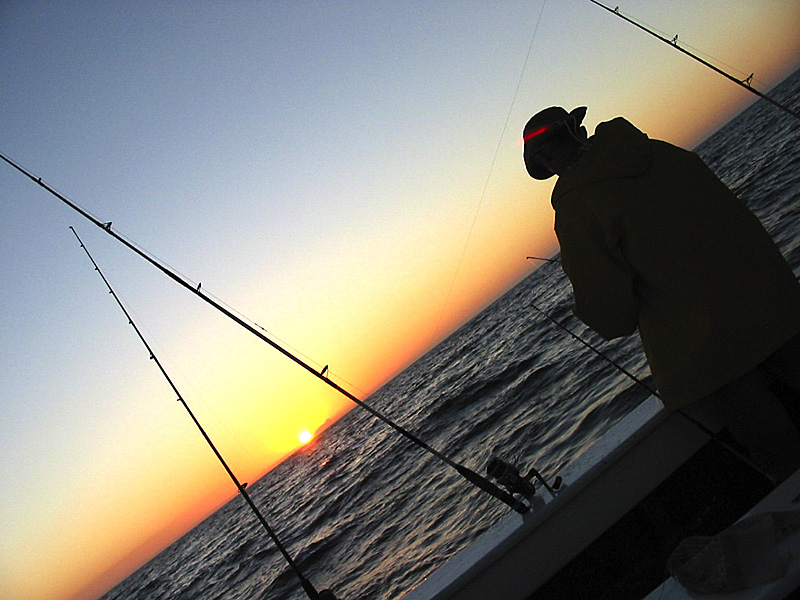
If there’s one fish that defines the thrill of fishing in Florida, it’s the Tarpon. Known for their speed, strength, and unpredictability, these majestic fish are often described as “everything you could want in a fish.” Any avid angler will tell you that hooking a Tarpon is as exhilarating as it is challenging.

Gear Up for the Fight

Tarpon are no ordinary catch—they’re big, powerful, and put up a fight like no other. To stand a chance, you’ll need a lead line tested for at least 30 lbs. Live bait is highly recommended, but Tarpon are also known to go after large baitfish. If you’re trolling from a fishing boat, consider using large spoons (adjust the color based on sun conditions), hefty jigs, or lipped plugs. For fly fishing enthusiasts, streamers with scissor-action are a great choice, while surface plugs and jerk plugs have also proven effective.

Why Tarpon Are the Ultimate Challenge

One of the most thrilling aspects of fishing for Tarpon is their acrobatics. These fish are famous for leaping out of the water during a fight, sometimes reaching heights of up to 10 feet! They can grow to over 7 feet in length and weigh more than 100 lbs. Despite their size, Tarpon often stick to shallow waters close to shore, making them one of the largest fish you can catch without a boat. That said, having a fishing boat—especially along the Gulf Coast in the Florida Panhandle—can significantly enhance your experience.

Thinking About Selling Your Boat

If you’re looking to upgrade your fishing game or move to a more sport-ready boat, we’re here to help. Whether you’re ready to step up to a better fishing vessel or simply want to sell your current watercraft, we’re interested in buying it.

Spring, from March to July, is prime Tarpon fishing season, and it’s also a great time to consider selling your boat. Our process is simple: just fill out our free online form, tell us about your boat, and we’ll provide you with a quick and easy quote.

So, if you’re ready to take your fishing adventures to the next level, look no further. Let us help you get into the boat that matches your passion for the sport.


What Season Should You Sell Your Boat?

When to Sell Your Boat

Owning a boat can be one of life’s great joys, but the time may come when you need to part ways with your vessel. Whether you’re upgrading, simplifying your lifestyle, or easing financial burdens, deciding when to sell your boat is just as important as choosing to sell it in the first place. Timing and market conditions can significantly impact how quickly your boat sells and the price you can command.

Seasonal trends, weather events like hurricanes, and the condition of your boat all play a role in determining the right time to sell. This guide will help you navigate these factors and introduce a stress-free option to make the selling process easier.

The Role of Seasons in Boat Sales

Seasonality is one of the most important factors in the boat market. Boats tend to sell faster and for higher prices during certain times of the year, while off-season sales may require strategic adjustments.

Spring and Summer: The Boating Boom

Spring and summer are prime times to sell your boat. As the weather warms up, buyers are eager to hit the water, making these seasons the most active for boat sales.

  • Boating Season Begin – Buyers are actively preparing for warm-weather activities, leading to increased interest in purchasing a vessel.
  • Better Weather for Showings – Sunshine and calm waters make it easier to showcase your boat to interested buyers.
  • Reduce Off-Season Storage Costs – Buyers are often eager to avoid paying for off-season storage, which prompts more activity in the market.

If you’re looking for the best price and quickest sale, selling your boat in spring or early summer is your best bet.

Fall and Winter: A Strategic Opportunity

While spring and summer are ideal, selling in fall or winter isn’t out of the question. In fact, these seasons can offer unique advantages:

  • Less Competition: Fewer boats on the market mean your listing may stand out more.
  • Motivated Buyers: Some buyers are looking for off-season deals or planning ahead for the next boating season.

However, you may need to lower your expectations to reflect the lower demand during these months.

Hurricanes and Stormy WeatherTwo boats in storm season at marina

For boat owners in hurricane-prone regions, the storm season (typically June through November) can be a critical factor in deciding when to sell. Hurricanes and severe weather can cause significant damage to boats, leading many owners to consider selling rather than repairing.

Why Sell Your Boat After a Storm?

  • Avoid Costly Repairs: If your boat has sustained damage, selling it as-is can save you the expense and hassle of repairs.
  • High Demand for Replacement: After a hurricane, many buyers are in the market for replacement vessels, creating a surge in demand.
  • Peace of Mind: Selling before the next storm season can eliminate the stress of worrying about potential future damage.

If your boat has been affected by a hurricane or you’re concerned about the risks of storm season, selling might be a practical and timely decision.

Stress-Free Way to Sell Your Boat

Selling a boat can be a complicated process, especially if you’re dealing with damage or off-season timing. That’s where Sell Us Your Boat comes in. We make selling simple, fast, and hassle-free.

  •  Sell As-In: We buy boats in any condition, so you don’t have to worry about repairs.
  • Fair Pricing: Get a competitive offer without the uncertainty of private buyers.
  • Quick Process: Skip the hassle of advertising, showings, and negotiations.

All you need to do is request a free quote, and our team will handle the rest. It’s the easiest way to move on from your boat and focus on what’s next.


Launching Your Boat in Florida

Boats for sale in marina
Owning a boat opens up a world of adventure, freedom, and fun. And if there’s one place where boating reaches its full splendor, it’s Florida. With its sunny weather, miles of coastline, and numerous freshwater springs and rivers, Florida is a boater’s paradise.

However, for new boaters (or seasoned sailors in need of a refresher), the actual process of launching a boat can seem a tad overwhelming. But don’t worry—it’s easier than it looks once you know the techniques and safety tips.

Best Boat Launch Spots in Florida

Florida offers countless boat ramps and launch areas, catering to every kind of boater, from anglers to water-skiers to those just looking to enjoy a day on the water. Here are some top-notch Florida boat ramps you’ll want to check out:

  • Haulover Park Marina (Miami)
  • Destin Harbor Boat Launch (Destin)
  • Lovers Key Boat Ramp (Fort Myers Beach)
  • Fort De Soto Park Boat Ramp (St. Petersburg)
  • Lake Tohopekaliga (Kissimmee)
  • Ortega River Boat Ramp (Jacksonville)
  • John’s Pass (Madeira Beach)
  • Curry Hammock State Park (Marathon)

Safety Always Comes First

Boating offers an unmatched sense of freedom, but safety should always be the top priority. Here are some essential tips to keep in mind as you launch and enjoy your time on the water:

  • Wear Life JacketsFlorida law requires children under six to wear U.S. Coast Guard-approved life jackets, and it’s smart for adults to follow suit
  • Check for Safety Equipment: Ensure you have flares, a fire extinguisher, and navigation lights
  • Check the ConditionsBefore you launch your boat, make sure to keep track of the weather and tides to ensure you can launch your boat safely

Launching Your Boat Like a Pro

Launching a boat isn’t rocket science, but it does require focus, preparation, and a bit of patience. Follow these steps to make the process as smooth and safe as possible:

Prepare Your Boat Before Reaching the Ramp

Don’t wait until you’re at the ramp to get everything set—use the staging area before the ramp to organize. Here’s what to do:

  • Inspect your boat and trailer for any visible issues
  • Load your gear ahead of time
  • Insert your drain plug- this is a small but critical step often overlooked
  • Disconnect the trailer lights and secure loose equipment

When you’re ready, your boat is just one step away from the water

Launch Ramp Etiquette

Boat-launch areas can get busy, especially in Florida’s prime boating season. Always be courteous:

  • Wait your turn without blocking access
  • Have your boat ready to go before pulling onto the ramp
  • Pull away as quickly as you can after launching to free up space for others

Back the Trailer into the Water Slowly

This is when things start to feel real. Back your trailer down the ramp at a controlled pace. Make sure the stern (rear) of your boat is in the water while the bow (front) remains secured.

Pro Tip for New Boaters: When reversing with a trailer, remember this rule—turn the steering wheel in the opposite direction of where you want the trailer to go.

Release and Secure Your Boat

Once the boat is in the water:

  • Unsnap any remaining straps that secure the boat to the trailer
  • Slowly guide the boat off the trailer using the winch strap or push it gently if safe
  • Secure it either to a dock or another safe spot before parking your vehicle

Starting Your Boating Adventure by Selling Your Old One

Launching your boat in Florida is more than a process—it’s the first step in an unforgettable adventure. By mastering the essentials of boat launching and exploring Florida’s diverse waterways, you’ll be well-equipped to enjoy the very best of boating.

However, if your boat has seen better days or wants something different, you can sell it to Sell Us Your Boat!

What About Launching a Bigger Boat?

For Bigger Boats, the preparation and launch can take a bit more effort. Using a Boat Lift, for example. This allows you to clean the bottom of the boat (as illustrated below) before putting it in the water. This sailboat is being prepared for launch in Fort Lauderdale, FL for example. We’ll cover this in subsequent articles!

Preparing for Boat Launch in Fort Lauderdale